
How To Dress Like A Lawyer
By Oliver Wicks - Updated 12th April 2026

Dressing like a lawyer means adopting a uniform of conservative professionalism, built upon an impeccably fitted suit most commonly in either charcoal gray or navy blue.

The guiding principles are an unwavering commitment to high-quality natural fabrics, classic styling, and understated details that together project authority, competence, and trustworthiness.
This approach to professional attire is not a matter of fleeting fashion; it is a strategic and non-negotiable tool designed to communicate a meticulous attention to detail, ensuring an attorney's appearance serves as a silent advocate for their professional capabilities from the moment they enter a room.
Lawyer Up - Start Designing Your Custom Made-to-Measure Suit Today

This definitive guide provides a comprehensive framework for constructing a powerful legal wardrobe that will serve you throughout your career. We will cover the essential garments every lawyer must own as the foundation of their professional image, delve into the critical and often misunderstood nuances of fit and fabric, and explain how to precisely tailor your appearance for every complex scenario a modern legal career presents.
Table of Contents
- The Lawyer's Core Wardrobe: Building Your Foundation
- The Critical Importance of a Superior Fit
- Choosing the Right Fabric: A Mark of Quality
- Dressing for the Occasion: A Lawyer's Guide to Legal Scenarios
- Expressing Individuality Within Professional Bounds
- The Final Verdict: Your Attire as a Career Investment
- Frequently Asked Questions
The Lawyer's Core Wardrobe: Building Your Foundation
A formidable professional wardrobe is not built on excess, but on the strategic acquisition of timeless, high-quality, and versatile core pieces. These garments are the building blocks of a consistent and authoritative professional identity. Mastering this foundation is the first and most critical step.
The Essential Suits: Colors and Styles
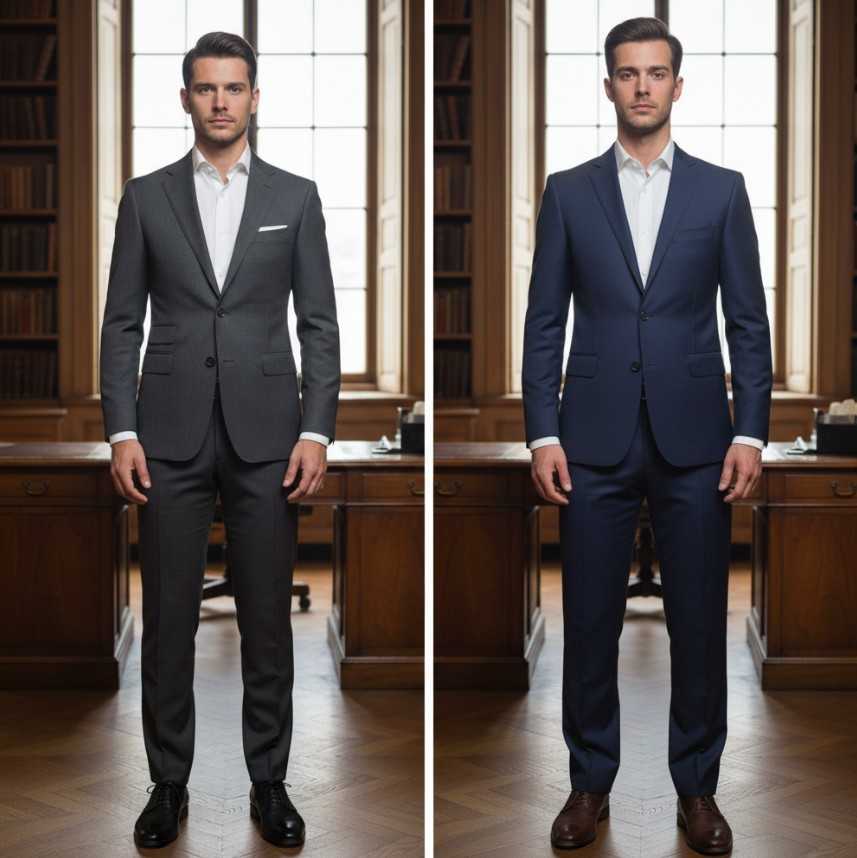
The bedrock of any legal wardrobe consists of two indispensable suits. These are not suggestions; they are requirements for any attorney serious about their professional presentation in the legal field.
- The Charcoal Gray Suit: This is your primary vehicle for gravitas and authority. The deep, serious tone of charcoal gray is unparalleled in its ability to command respect, making it the premier choice for courtroom appearances, depositions, formal negotiations, and any high-stakes professional encounter. It communicates stability and sober judgment.
- The Navy Blue Suit: Navy is the color of credibility. While equally professional to charcoal, it projects a level of stability and trustworthiness that can be perceived as more approachable, making it an impeccable choice for client consultations, networking events, and daily office wear. For a deep-dive into the strategic differences and how to make the right choice for your first critical purchases, you may want to explore a detailed comparison of navy vs. charcoal: choosing your first and second suit.
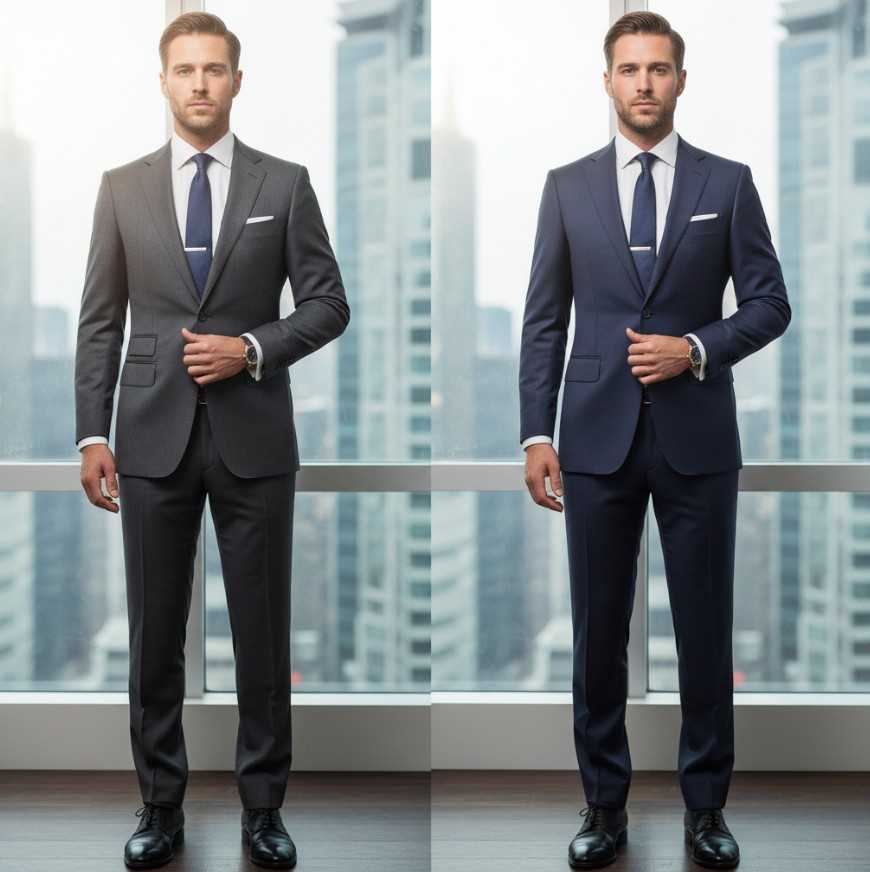
For both of these essential suits, the most appropriate and enduring style is the single-breasted, two-button jacket with a classic notch lapel. This silhouette has remained the gold standard of professional attire for decades because it is universally flattering, unfailingly appropriate, and projects a clean, uncluttered line.
The Foundational Shirts: Beyond the Suit Jacket
A suit is only as strong as the shirt it is paired with. The shirt acts as the canvas for the entire ensemble, and for a lawyer, that canvas should be clean, crisp, and impeccably fitted. The professional standard is a dress shirt made from 100% cotton, a natural fiber prized for its breathability, comfort, and sharp appearance.
- Essential Colors: Solid white and light blue are the cornerstones of your shirting collection. They are maximally versatile, project cleanliness and professionalism, and provide the ideal backdrop for your neckwear.
- The Fit: The most critical element of the shirt is its fit. The collar should lightly graze your neck when buttoned, allowing you to slip two fingers in comfortably. The cuffs should be snug enough not to slide down over your hand, and should extend approximately half an inch beyond the sleeve of your suit jacket. To truly understand the nuances of a complete collection, it’s worth consulting a guide on the 5 essential dress shirts every lawyer must own.

Essential Accessories: The Finishing Touches
Accessories are not afterthoughts; they are the details that signal a higher level of polish, foresight, and personal investment in one’s appearance. They complete the picture of a meticulous professional.
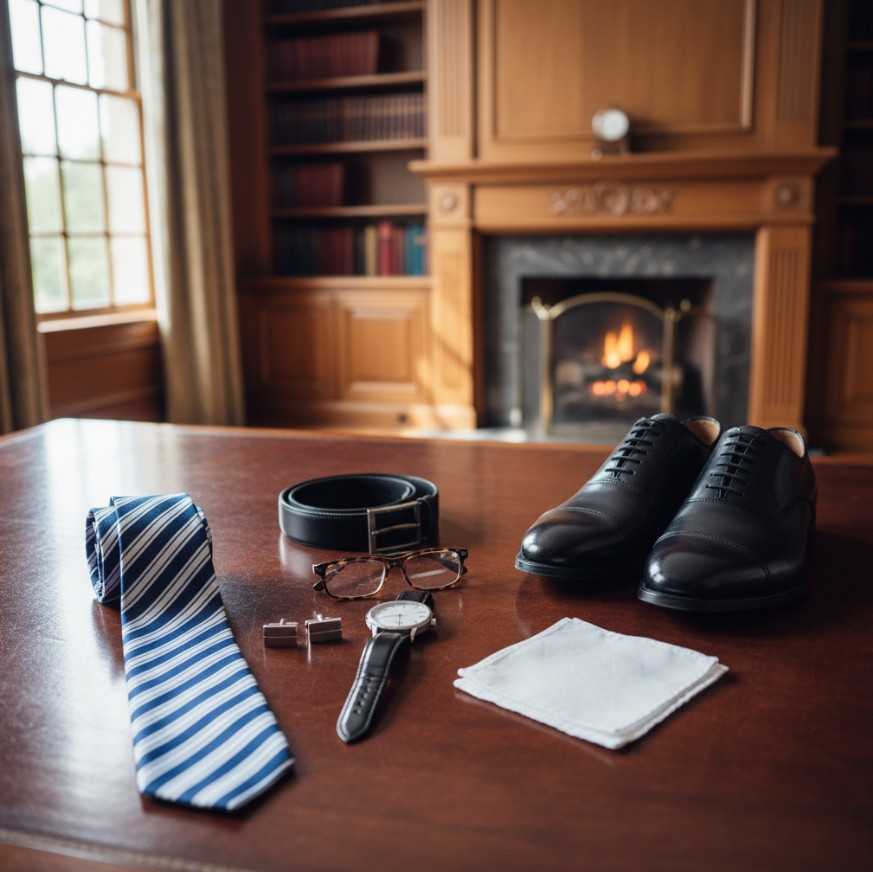
- Neckwear: You should invest in several high-quality silk ties. Your core collection should include solid choices in navy and rich burgundy, as well as classic, conservative patterns like pin-dots or subtle stripes. The knot should always be neat—a four-in-hand or half-Windsor is ideal—and sit snugly against your shirt collar, with the tip just touching your belt buckle.
- Footwear: Polished leather dress shoes are mandatory, and quality is paramount. Black cap-toe oxfords are the most formal and essential pair for court and high-stakes meetings. Dark brown or deep burgundy oxfords and leather loafers can be added later for versatility in business casual settings. They must be kept in pristine condition at all times.
- Belts and Beyond: If you prefer belts over side tabs, then your leather belt should always be of high quality and precisely match the color and finish of your shoes. A classic, understated timepiece is a symbol of punctuality and sophistication and is the only piece of jewelry a male lawyer truly needs. This entire ecosystem of details works together, and a deeper exploration can be found in the complete guide to men's legal accessories.
The Critical Importance of a Superior Fit
While knowing what to wear provides the blueprint, ensuring that it fits you impeccably is what brings that blueprint to life. Fit is not just an element of style; it is the absolute cornerstone of your professional appearance. A well-fitted suit projects confidence, control, and physical composure. An ill-fitting one, no matter how expensive, suggests carelessness and undermines your authority.

The Limitations of Off-the-Rack Sizing
Ready-to-wear clothing is constructed based on a standardized sizing model—a mathematical average that corresponds to almost no one precisely. For professionals whose appearance is scrutinized, this presents a significant problem. The compromises are visible in shoulders that are too wide or too narrow, a jacket waist that is boxy and hides your shape, or trousers with excess fabric that "breaks" messily over the shoe. While a competent tailor can make minor fixes, they cannot fundamentally re-engineer the core structure of a garment. This means you are often left with a suit that is merely "acceptable," not "authoritative."
Why a Tailored Fit is the Professional Standard
To achieve a superior fit—one where the jacket lapels lie flat against your chest, the sleeves reveal the correct amount of shirt cuff, and the trousers drape cleanly with a slight, elegant break—requires a more personalized approach. A made-to-measure suit is crafted based on your unique measurements, accounting for details like shoulder slope and posture that ready-to-wear garments ignore. Investing in a tailored fit is an investment in eliminating distraction. It ensures unparalleled comfort, projects an image of sharp precision, and provides the quiet confidence that every attorney needs to project. To see these principles in action, refer to our definitive resource, the ideal suit fit.

Choosing the Right Fabric: A Mark of Quality
The fabric of your suit is its soul. It dictates how the suit drapes, how it performs throughout a long day, and how it feels against your skin. For a legal professional, the choice should always be a natural, durable, and high-performing material that signals an appreciation for quality.
Understanding Wool: The Professional's Choice
100% wool is, without question, the superior and most professional choice for suiting. Drawing on centuries of heritage from the world's finest English and Italian mills, high-quality wool offers a perfect symphony of properties that make it uniquely suited to the rigors of a legal career:
- Natural Breathability: Wool is an active fiber that helps regulate body temperature, ensuring comfort during high-pressure situations or in poorly ventilated conference rooms.
- Inherent Durability: The natural crimp and elasticity of wool fibers allow them to withstand repeated wear while retaining their shape. A well-made wool suit is an investment that will last for years.
- Exceptional Wrinkle Resistance: Unlike linen or cotton, wool naturally sheds wrinkles, keeping you looking crisp and composed from your first morning appointment to your last evening email.
- Elegant Drape: High-quality wool hangs from the body beautifully, creating a sophisticated and flattering silhouette that simply cannot be replicated by synthetic materials. To get the most from this investment, understanding how to properly clean and take care of a suit is crucial knowledge for any professional.
A Guide to Super Wools (Super 110s vs. Super 150s)
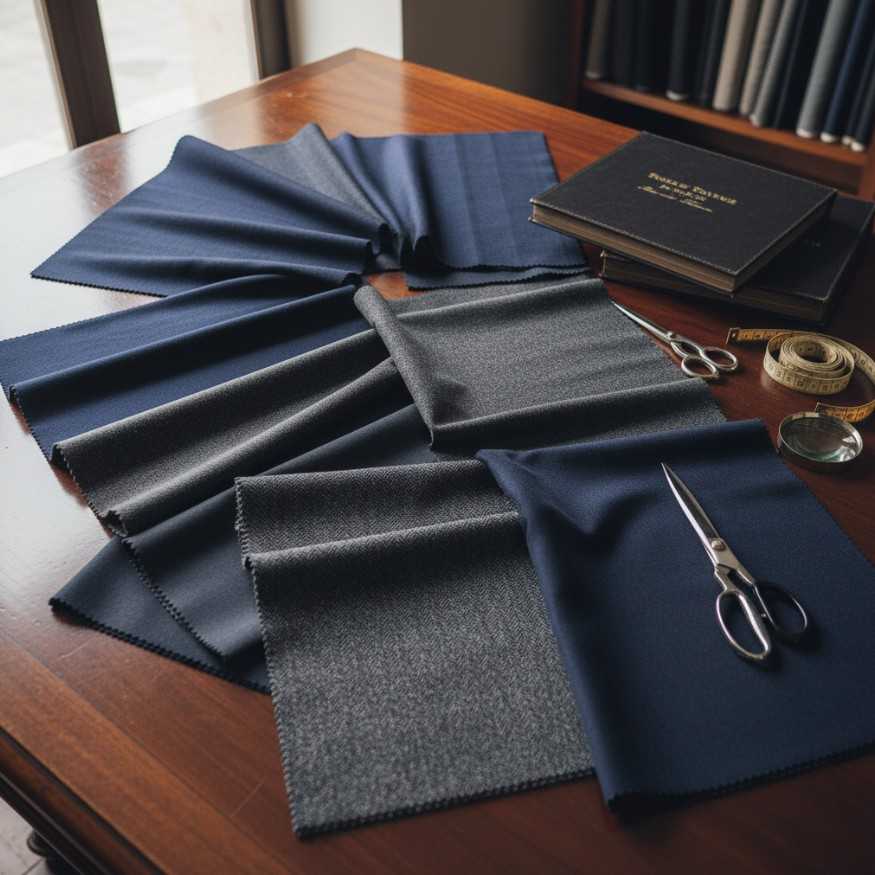
When investing in a quality wool suit, you will encounter the "Super S" number, a grading system that denotes the fineness of the wool fibers.
- Super 110s Wool: This is the intelligent "workhorse" fabric for a professional's core wardrobe. It offers an optimal balance of durability for frequent wear and a soft, refined hand feel, making it the ideal choice for your daily navy and charcoal suits if your budget doesn’t allow for more at the current stage of your career.
- Super 150s Wool: This indicates a much finer, more luxurious fiber. The resulting fabric is exceptionally soft with a beautiful, fluid drape and a subtle natural sheen. A suit crafted from a Super 150s wool is an exquisite choice for a senior attorney at the peak of their career. If you wish to go deeper, a detailed exploration is available in our lawyer's guide to decoding suit fabrics.

Dressing for the Occasion: A Lawyer's Guide to Legal Scenarios
A seasoned lawyer understands that adapting their strategy for different contexts is key to success. This same nuanced intelligence should be applied to their wardrobe choices to ensure their appearance is always correctly calibrated to the situation. Below is a summary of how to approach key legal environments.
| Scenario | Essential Garment | Key Considerations |
|---|---|---|
| In the Courtroom | Charcoal or Navy Suit | Maximum formality. White shirt, conservative tie, black oxfords. Fit must be impeccable. Details are covered in our guide to the perfect trial suit for lawyers. |
| Client Meetings | Charcoal or Navy Suit (again) | Project trust and competence. A light blue shirt can soften the look while maintaining authority. |
| Business Casual | Formal Blazer/Jacket & Dress Pants | Should be interpreted as "business without a tie." Maintain polish with leather loafers. Learn more in our guide to mastering business casual for lawyers. |
| Business Travel | Super 110s or 150S Wool Suit | Wrinkle resistance is key. A versatile suit and blazer can create multiple outfits to pack light. |

Expressing Individuality Within Professional Bounds
Adherence to a conservative dress code does not mean erasing your identity. In fact, for a senior attorney, the ability to express personal style through subtle, tasteful details is a sign of confidence and sartorial intelligence.
The Art of Subtle Customization
A custom-made garment offers a unique canvas for personal expression that is simply not possible with off-the-rack clothing. True style is not about loud patterns; it’s about discreet, high-quality details that are meaningful to the wearer and perceptible only to a discerning eye.
- Functional Sleeve Buttons (Surgeon's Cuffs): This is a traditional hallmark of a bespoke or made-to-measure suit, a subtle nod to its custom origins. All jackets at Oliver Wicks include functional cuffs as standard, because we believe that quality should be included in the suit price rather than as an optional upgrade.
- A Unique Jacket Lining: One of the most classic ways to personalize a suit is by selecting a lining in a rich solid color or a tasteful, conservative pattern. It is a private detail that adds a touch of bespoke luxury.
- Discreet Monogramming: Having your initials stitched inside your suit jacket is a timeless and elegant flourish. Catching a glimpse of your monogram as you dress in the morning is also likely to give you a boost of confidence to start your day.
- Refined Details: Subtle choices regarding lapel style, pocket design (such as adding a ticket pocket), or opting for side tabs on your trousers instead of belt loops all contribute to a unique and polished look. An in-depth exploration of how to personalize a suit without looking unprofessional can provide further guidance on these sophisticated choices.
The Final Verdict: Your Attire as a Career Investment
In the legal profession, your reputation is your most valuable asset, and your professional image is the first and most constant visual representation of that reputation. A thoughtfully constructed, well-fitted wardrobe is not an expense—it is a strategic, long-term investment in your career. It is part of your personal branding, your professional armor, and a key tool in building the trust and respect every attorney must command from clients, colleagues, and the court. By committing to quality, prioritizing fit, and mastering the nuances of professional style, you build a wardrobe that works as a silent partner, reinforcing your credibility and amplifying your expertise in every room you enter. To transform these principles into a practical, long-term strategy, consider developing a framework like building your legal wardrobe: a 5-year investment plan.

Frequently Asked Questions
What are the first two suits a new lawyer should buy?
A new lawyer should build their wardrobe on a foundation of two essential suits: a solid charcoal gray suit for maximum formality and a solid navy blue suit for versatile professionalism. These two pieces will cover virtually every scenario a young lawyer will face.
Can lawyers wear brown shoes with their suits?
Yes, but with specific rules. Brown shoes (typically dark brown or burgundy) are perfectly acceptable with navy blue suits and lighter gray suits in general office or business casual settings. For court appearances or when meeting conservative clients, black shoes are always the safest and most formal choice with either a charcoal or navy suit.
How many suits does a lawyer really need?
A lawyer should aim for a core rotation of at least three to five high-quality suits. Starting with the essential charcoal and navy, you can add another shade of gray, a subtle pattern like a pinstripe, or a seasonal option like a lighter weight wool suit. This allows for proper rotation, reduces wear on each garment, and ensures you always have a fresh, appropriate option ready.
What is the biggest style mistake a lawyer can make?
The single biggest mistake is neglecting the fit. An expensive suit that fits poorly will always look worse than a modest suit that fits impeccably. A poor fit suggests a lack of attention to detail, which is the last thing an attorney wants to communicate. Prioritizing a superior, tailored fit over a designer label is the most important style decision you can make.